
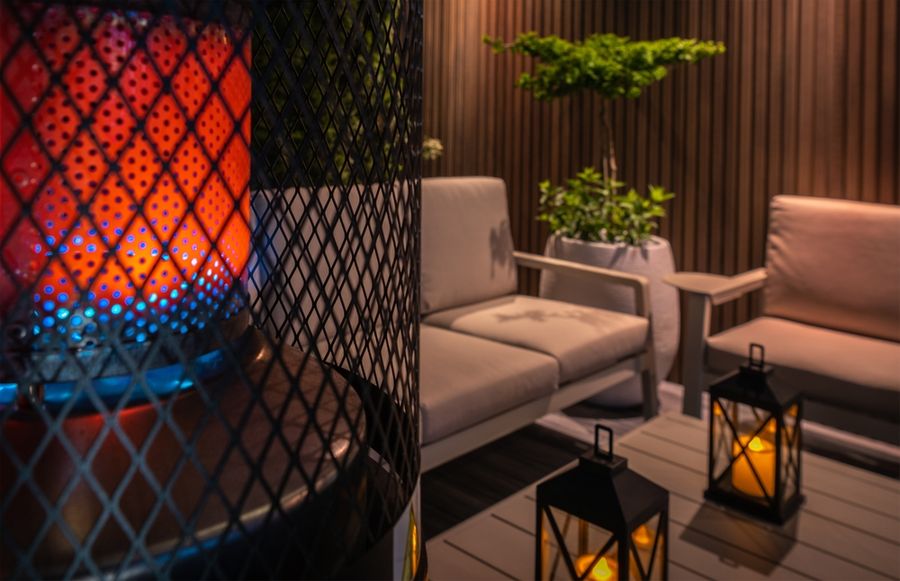
A backyard doesn't have to become unusable when summer ends or temperatures begin to drop. With the right improvements, outdoor spaces can remain comfortable and inviting throughout much of spring, fall, and even parts of winter, depending on the local climate. Features that provide warmth, shelter, lighting, and protection from the elements can make a substantial difference. Whether you're planning a major upgrade or a few affordable additions, several backyard features can help extend your outdoor living season.
1. Patio Heaters for Comfortable Outdoor Gatherings
Patio heaters can make outdoor dining and entertaining more comfortable as temperatures begin to fall. Available in electric, propane, and natural gas models, they provide localized warmth without requiring homeowners to heat an entire outdoor area. This makes them particularly useful for patios, decks, and backyard seating arrangements during cooler evenings.
Electric infrared heaters are worth considering because they deliver radiant warmth directly to people and nearby surfaces. Wall-mounted and freestanding designs offer different installation options, while certain models can be mounted beneath compatible outdoor structures. Propane heaters provide greater placement flexibility but require fuel storage and regular tank replacement. Homeowners should compare heating coverage, operating requirements, and whether each model is approved for their intended location.
Safety is an important consideration, particularly when using heating equipment near covered patios or enclosed spaces. Fuel-burning heaters intended exclusively for outdoor use should never operate inside enclosed structures because of carbon monoxide risks. Always follow manufacturer clearance requirements, ensure adequate ventilation, and keep combustible materials away from heating elements.
2. Covered Pergolas and Retractable Awnings for Weather Protection
Rain and strong sunlight can limit outdoor activities even when temperatures are comfortable. Adding a covered pergola or retractable awning can make a backyard seating area more practical during unpredictable weather. These structures help protect outdoor furniture while creating a designated area for dining, relaxing, or entertaining guests.
Pergolas with adjustable louvered roofs offer flexibility because their overhead panels can be repositioned to control sunlight and provide rain protection when closed. Retractable awnings offer a less permanent alternative, allowing homeowners to extend the covering when needed. For more consistent shelter, waterproof canopies and polycarbonate roof panels can help keep outdoor seating areas dry.
Before installation, consider drainage, wind resistance, and local building requirements. A roof designed primarily for shade may not withstand heavy rain or snow. Homeowners in colder regions should also evaluate manufacturer specifications for winter conditions. Properly chosen overhead protection can make outdoor spaces more useful during the changing seasons.
3. Fire Pits for Warmth and Backyard Entertainment
Fire pits create an inviting gathering place during cooler months while providing warmth and a natural focal point. They are available in wood-burning, propane, and natural gas configurations, giving homeowners several options based on their available space and maintenance preferences.
Wood-burning fire pits provide the traditional experience of sitting around an open flame, although they produce smoke and require ash removal. Propane models offer convenient ignition and adjustable flames without the need to store firewood. Natural gas fire pits require a suitable fuel connection but eliminate the inconvenience of replacing propane tanks. The ideal choice depends on available space, local restrictions, and how frequently the feature will be used.
Placement is especially important. Fire pits should generally be positioned at least 10 feet from structures and combustible materials, with additional clearance where required. Homeowners should also check local fire regulations and burn restrictions before installation or operation. Never place an open fire beneath a pergola or awning unless the entire installation is specifically designed and approved for that use.
4. Wind Screens and Privacy Panels for Sheltered Seating
Even moderately cool temperatures can feel uncomfortable when strong winds move across an exposed backyard. Wind screens and privacy panels help create more sheltered seating areas, allowing homeowners to spend additional time outside during breezy spring and fall weather.
Retractable outdoor screens are particularly versatile because they can be lowered when conditions require protection and raised when the weather improves. Fixed wooden slat panels, composite privacy screens, and tempered glass barriers provide alternative solutions. Glass panels preserve views of the surrounding yard, while wooden screens can complement existing fencing or landscaping.
Homeowners seeking a natural approach can also use hedges and shrubs to reduce wind exposure. Carefully positioned trees and shrubs can function as effective windbreaks, although their performance depends on plant selection, spacing, and density. Whatever the material, screens should be securely installed and rated for local wind conditions. Avoid completely enclosing areas that contain fuel-burning equipment without professional safety guidance.
5. Outdoor Lighting for Shorter Days and Longer Evenings
As daylight hours decrease during fall and winter, effective outdoor lighting becomes essential for making backyards usable after sunset. A thoughtfully planned lighting arrangement can illuminate walkways, highlight seating areas, and create a welcoming atmosphere for evening gatherings.
String lights are popular for patios and pergolas because they provide decorative illumination without overwhelming a small space. Pathway lights improve visibility around steps and garden borders, while wall-mounted fixtures can brighten outdoor dining areas. Energy-efficient LED fixtures are available in numerous styles, including solar-powered and low-voltage designs. Some systems also feature timers or smart controls that adjust lighting schedules automatically.
Homeowners should choose fixtures with weather ratings appropriate for outdoor exposure, particularly in areas where rain or snow can reach electrical components. Combining softer ambient lighting with brighter illumination near stairs and entrances creates a balance between appearance and practicality. Good lighting won't make cold weather warmer, but it can make outdoor spaces more functional during shorter days.
Making Your Backyard More Enjoyable Throughout the Year
Extending your outdoor living season doesn't necessarily require a complete backyard renovation. Patio heaters and fire pits can provide warmth, while covered pergolas, wind screens, and outdoor lighting address weather exposure and reduced daylight.
The most effective improvements depend on your climate, available space, and preferred outdoor activities. By identifying the conditions that currently prevent you from enjoying your backyard, you can prioritize features that make it more comfortable and practical across multiple seasons.