
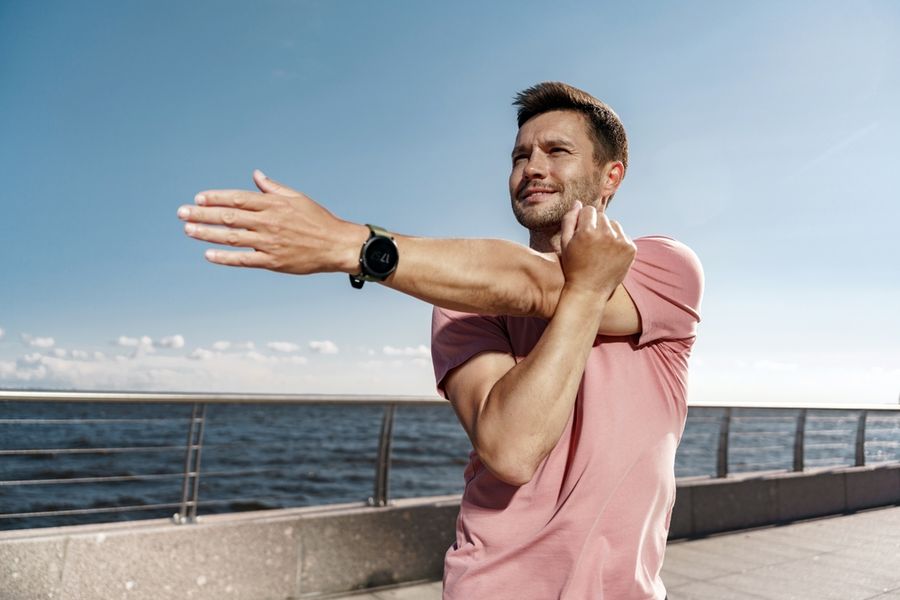
A smartwatch can make a thoughtful gift for a family member who enjoys running, cycling, swimming, or maintaining an active lifestyle. However, choosing the right model involves more than finding an attractive design or selecting a familiar brand. Different smartwatches offer varying levels of fitness tracking, health monitoring, battery life, and smartphone compatibility. Understanding which features match your loved one's activities and personal preferences can help you choose a device they'll genuinely enjoy using.
Match the Smartwatch to Their Favorite Fitness Activities
The first step is identifying how your family member exercises most frequently. Someone who enjoys daily walks and occasional gym sessions may need basic activity tracking, while a dedicated runner or cyclist could benefit from more advanced performance measurements. Choosing features based on actual exercise habits helps avoid paying for capabilities that may never be used.
Smartwatches for Running
For runners, the Garmin Forerunner 570 offers multi-band GPS, training readiness scores, and personalized running plans. These features can help athletes monitor workouts and plan training sessions.
Alternatively, someone who enjoys general fitness activities might prefer the Samsung Galaxy Watch8, which combines exercise tracking with everyday smartwatch functions. Swimmers should pay particular attention to water-resistance specifications and supported swimming activities, since not every water-resistant watch is suitable for prolonged pool use.
Smartwatches for Strength Training, Yoga, and HIIT
Fitness enthusiasts who prefer gym workouts, yoga, Pilates, or high-intensity interval training (HIIT) have different needs from dedicated runners. The Apple Watch Series 11 is a versatile option, offering dedicated workout modes for strength training, HIIT, yoga, and Pilates. Its heart rate monitoring and workout tracking features can help users review exercise intensity and activity patterns.
For strength training, buyers should also consider whether a watch supports repetition counting, rest timers, or detailed workout logging, as these capabilities vary between devices. Comfort is especially important for yoga and Pilates, where a bulky watch may interfere with certain movements.
Smartwatches for Cycling, Swimming, and Outdoor Adventures
Cyclists, swimmers, hikers, and triathletes may benefit from specialized sports watches rather than basic fitness trackers. The Garmin Forerunner 970 supports cycling performance metrics, pool and open-water swimming, and multisport activities, making it particularly appealing to athletes who participate in several endurance sports. Cyclists should prioritize GPS accuracy and compatibility with external sensors, while swimmers may want automatic lap counting and stroke recognition.
Hikers should look for navigation tools, offline maps, and sufficient battery life for extended outings. For triathletes, dedicated multisport modes that track transitions between swimming, cycling, and running can be especially valuable.
Consider Smartphone Compatibility Before Comparing Models
Smartphone compatibility is one of the most important considerations when buying a smartwatch as a gift. A device may offer excellent fitness features but become frustrating or unusable if it doesn't work properly with the recipient's phone. Checking compatibility before purchasing can prevent unnecessary returns and disappointment.
Apple Watches are designed to work with iPhones. For example, the Apple Watch Series 11 requires an iPhone 11 or newer running iOS 26 or later. The Fitbit Charge 6, a smaller fitness-tracking alternative, supports compatible Android phones and iPhones. Some features, however, can vary depending on the connected smartphone. Beyond basic compatibility, consider whether the recipient uses particular fitness applications, music streaming services, or digital payment systems. A watch that integrates with their existing technology will generally be more convenient than one that requires changing familiar routines.
Compare Health Monitoring and Recovery Features
Modern smartwatches can track considerably more than steps and workout duration. Depending on the model, features may include continuous heart rate monitoring, sleep tracking, estimated blood oxygen levels, and indicators related to workout recovery. These measurements can help fitness enthusiasts recognize patterns in their activity and establish more consistent exercise habits.
The Garmin Forerunner 570, for instance, calculates training readiness using sleep, recovery, heart rate variability, and training load information. This may appeal to runners who want to balance demanding workouts with rest days. Other models emphasize everyday wellness measurements rather than detailed athletic performance. However, smartwatch readings are not always perfectly accurate, and consumer fitness features should not replace professional medical evaluations. Consider whether the recipient would genuinely use advanced measurements before making them a purchasing priority.
Evaluate Battery Life and Charging Convenience
Battery life can influence how consistently someone uses a smartwatch. People who exercise outdoors for extended periods may prefer devices that can operate for several days between charges. Others may be comfortable charging their watches each evening, particularly if they value features such as calling, messaging, and extensive app support.
The Garmin Forerunner 570 offers up to 11 days of battery life in smartwatch mode for its 47mm version under specified conditions. By comparison, the Fitbit Charge 6 is rated for up to seven days, although actual performance depends on settings and usage. Features such as continuous GPS tracking, music playback, and always-on displays can increase power consumption. For family members who enjoy hiking, camping, or long-distance cycling, comparing battery performance during GPS activities may be more useful than examining standard smartwatch battery estimates.
Pay Attention to Comfort, Size, and Everyday Appearance
Even an advanced smartwatch may go unused if it feels uncomfortable or looks unsuitable for everyday wear. Case dimensions, overall weight, strap materials, and display size all influence how a watch feels during exercise. Someone with smaller wrists may prefer a compact model, while another person might appreciate a larger display that's easier to read while moving.
The Fitbit Charge 6 provides a relatively lightweight alternative to traditional smartwatches, with a device weight of approximately 30 grams. Larger models may offer easier touchscreen navigation and more visible workout information, although they can feel bulky during sleep or certain exercises. When buying a smartwatch as a surprise, consider examining a watch the recipient already wears to estimate their preferred dimensions. Replaceable straps and adjustable sizing can also make a device more versatile.
Consider Additional Features and Ongoing Costs
Fitness tracking may be the main attraction, but everyday conveniences can influence whether someone enjoys using a smartwatch regularly. Features such as contactless payments, music controls, phone notifications, and voice assistance can reduce the need to reach for a smartphone during daily activities.
For example, the Fitbit Charge 6 can share heart rate information with compatible exercise equipment, which may appeal to someone who regularly uses connected gym machines. Before purchasing, also investigate whether advanced insights require a paid subscription, whether cellular connectivity involves additional carrier charges, and which features are available without extra spending. These details are particularly important when giving a smartwatch as a gift because the recipient may not want to assume recurring expenses.
Choosing a Smartwatch They'll Actually Use
The best smartwatch for a fitness enthusiast is not necessarily the most expensive or technologically advanced model. A dedicated runner may value accurate GPS tracking and recovery information, while someone focused on everyday wellness might prefer comfort, straightforward activity monitoring, and convenient smartphone features.
Before purchasing, consider the recipient's favorite activities, phone compatibility, wrist size, charging preferences, and interest in advanced fitness measurements. Comparing these practical requirements will help narrow the choices and make it easier to select a smartwatch that complements their lifestyle rather than adding unnecessary complexity.